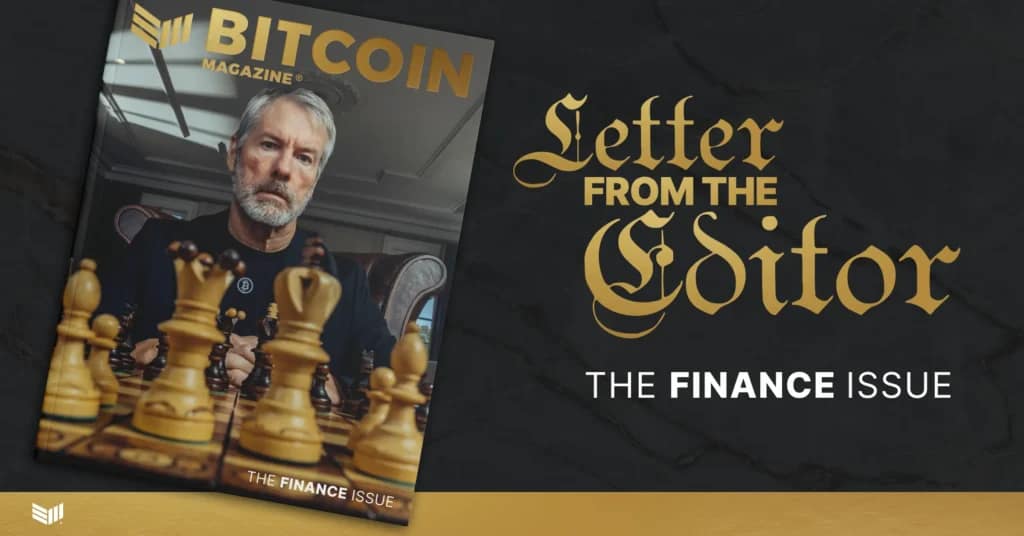

The story of Bitcoin has all the time been one in every of evolution.
What started as a peer-to-peer digital money system has steadily grown into the world’s main digital reserve asset. Alongside the best way, Bitcoin has attracted not solely cypherpunks and technologists but additionally establishments, public corporations, and monetary service suppliers in search of to include it into their stability sheets and operations.
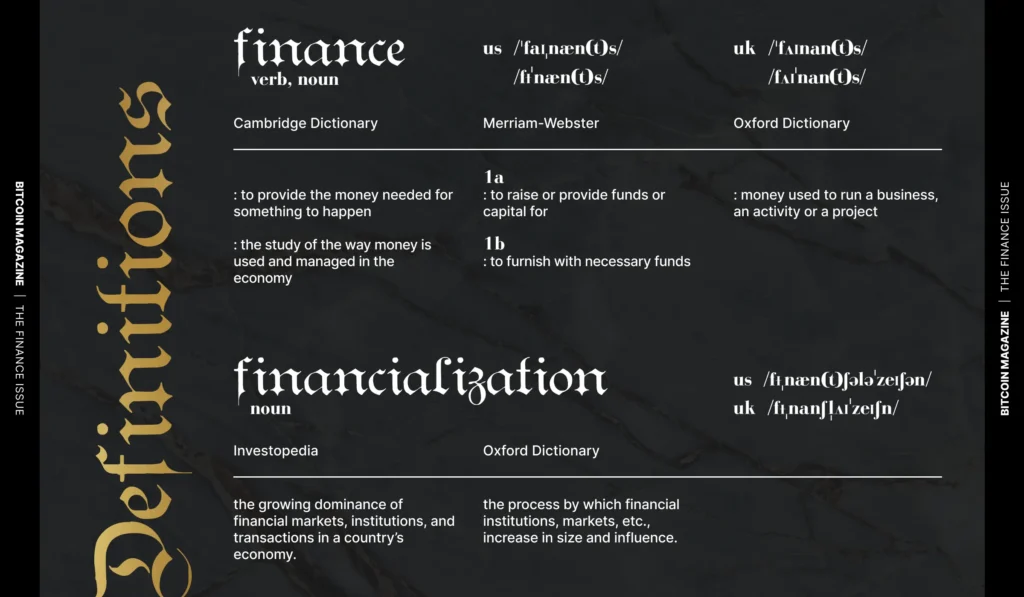
This version, The Finance Challenge, explores some of the vital and complicated chapters of Bitcoin’s ongoing journey: its integration into the world of company treasuries and mainstream finance. Lately, adoption by listed companies, asset managers, and fintech platforms has shifted the narrative. Bitcoin is not mentioned solely as a speculative funding or ideological mission; it’s more and more being evaluated as a strategic reserve, a treasury diversification device, and a element of broader monetary engineering.
The numbers converse to this momentum. In simply over two years, the depend of public corporations holding Bitcoin has grown fivefold, with almost 200 such companies now collectively custodian to over a million BTC. Collectively, they characterize greater than $110 billion in worth—an quantity that rivals the reserves of some nation states. This institutional embrace underscores a pattern that few may have anticipated a decade in the past:
Bitcoin is shifting from the periphery of finance into its middle.
With this progress comes necessary questions. What does it imply for Bitcoin to be drawn additional into conventional monetary constructions? Does treasury adoption stabilize the asset and scale back volatility, or does it threat exposing Bitcoin to the identical systemic vulnerabilities it was designed to hedge towards? How ought to buyers, policymakers, and Bitcoiners themselves interpret the intersection between grassroots innovation and Wall Road adoption?
This difficulty brings collectively a various group of contributors—macroeconomists, analysts, company treasurers, and market observers—to look at each the alternatives and the dangers that financialization presents. Their insights make clear the strategic selections shaping company stability sheets in the present day and the potential penalties for Bitcoin’s financial future.
As monetary historical past reveals, moments of speedy integration typically coincide with durations of heightened uncertainty. But additionally they mark phases of maturity. Whether or not one views this shift with optimism or warning, there is no such thing as a denying that Bitcoin is now embedded throughout the world monetary system in methods that may form its trajectory for many years to come back.
We invite you to discover these themes with us within the pages forward.
Welcome to The Finance Challenge.
— Mark Mason
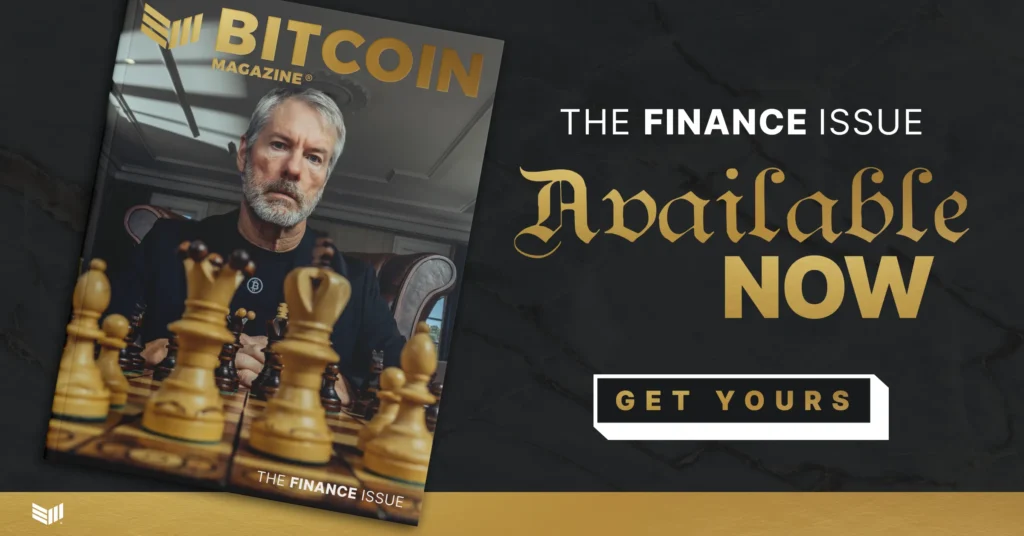
Don’t miss your chance to own The Finance Issue — that includes an unique interview + photograph collection with Michael Saylor at his property.
This piece is the Letter from the Editor featured within the newest Print version of Bitcoin Journal, The Finance Challenge. We’re sharing it right here as an early have a look at the concepts explored all through the complete difficulty.
The content published on Finance Insider Today is for informational and educational purposes only. It does not constitute financial advice, investment advice, or any other form of professional advice. Always conduct your own research and consult a qualified financial advisor before making any investment decisions. Finance Insider Today is not responsible for any financial losses resulting from decisions made based on information published on this website. Past performance is not indicative of future results. Financial markets carry significant risk. Never invest more than you can afford to lose.
